

Main
News
One Year at the University Veterinary Clinic
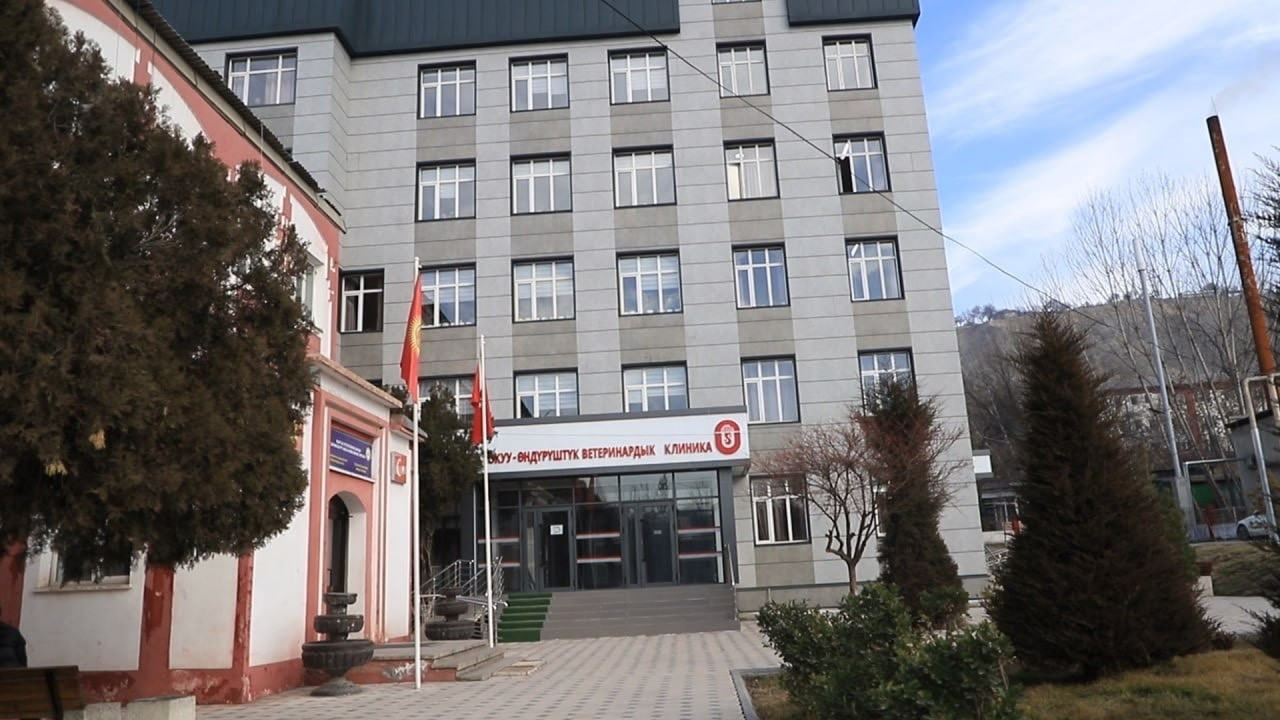
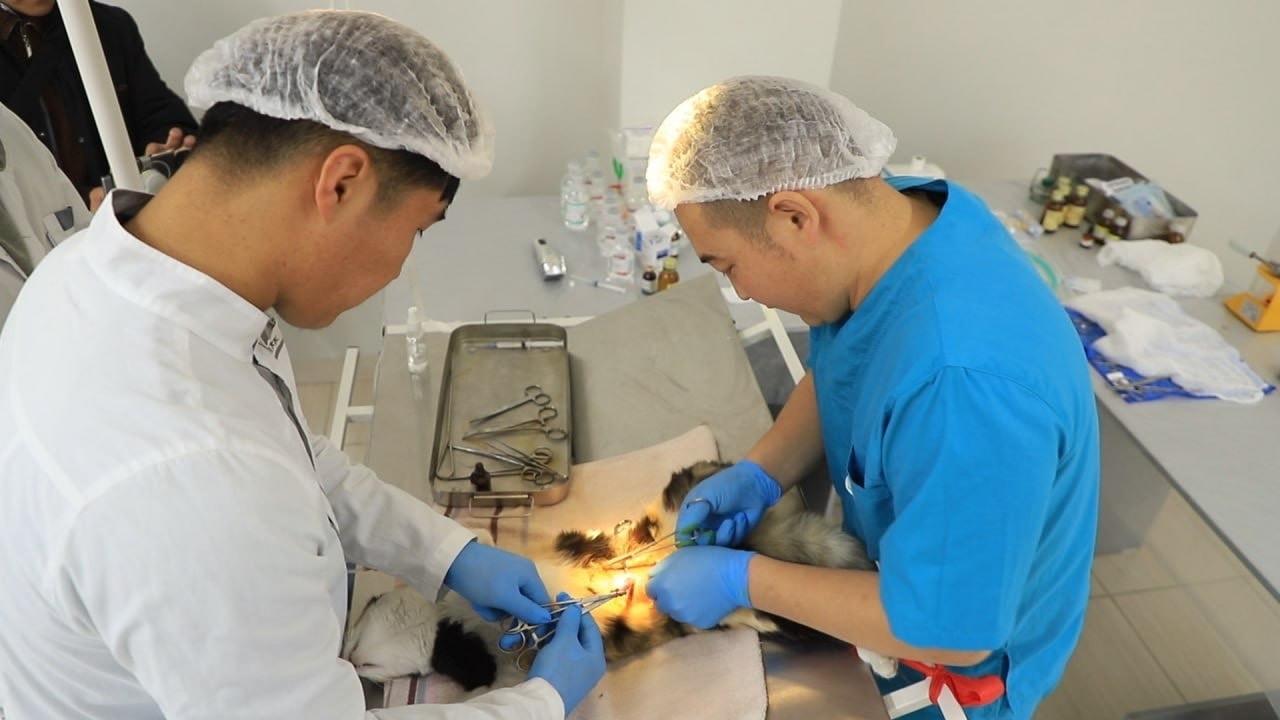
It has been one year since the veterinary clinic of Osh State University began operating. During this period, more than 400 animals have received treatment, and over 100 major and minor surgical operations have been performed.
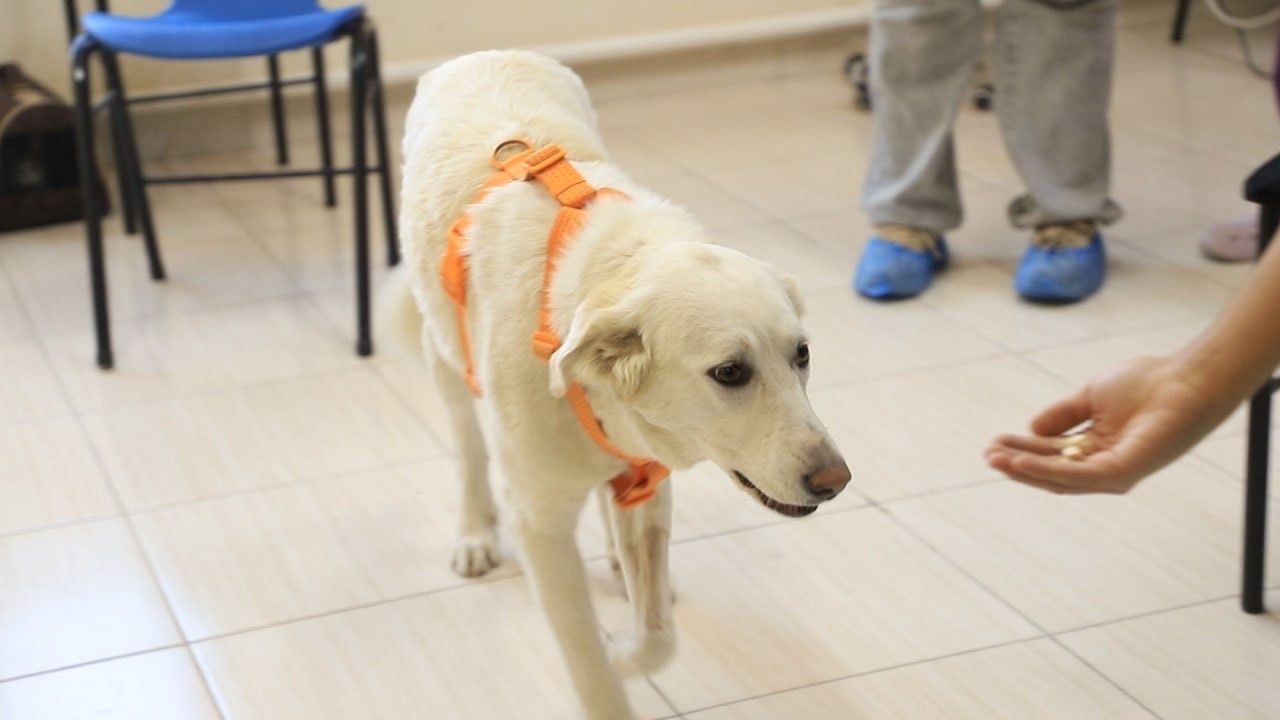
Alisha Korella, a resident of Osh, brought her dog Laila to the veterinary clinic of Osh State University after the animal’s condition worsened due to bleeding from the bladder. Korella keeps several dogs and cats at home and pays special attention to animal care. She describes her dog Laila as playful and mischievous. However, when Laila was brought to the clinic, she was extremely weak and unable to walk independently or lift her head from the ground. After receiving medical assistance, the dog gradually began to move again.
“I am a regular client of this veterinary clinic because both the conditions and the attitude of the specialists here are at a high level. In the southern region, there is only one veterinary clinic of this kind, and it is located at Osh State University. When we brought Laila in, she was in critical condition. Now, thanks to the doctors, she is back on her feet. I am very grateful to the clinic staff for their professional care,” says Alisha Korella.


Using funds earned by the clinic, amounting to approximately half a million soms, modern equipment was purchased, and a grooming salon for pets was opened. In the salon, animals ranging from dogs and cats to turtles are bathed, and their nails are trimmed. Two students are employed in the salon and receive salaries. One of them, Aruuke Kamaldinova, says: “We initially came to the clinic to study and gain experience. As students, our main goal is education, but we also have the opportunity to work here and earn a salary.”
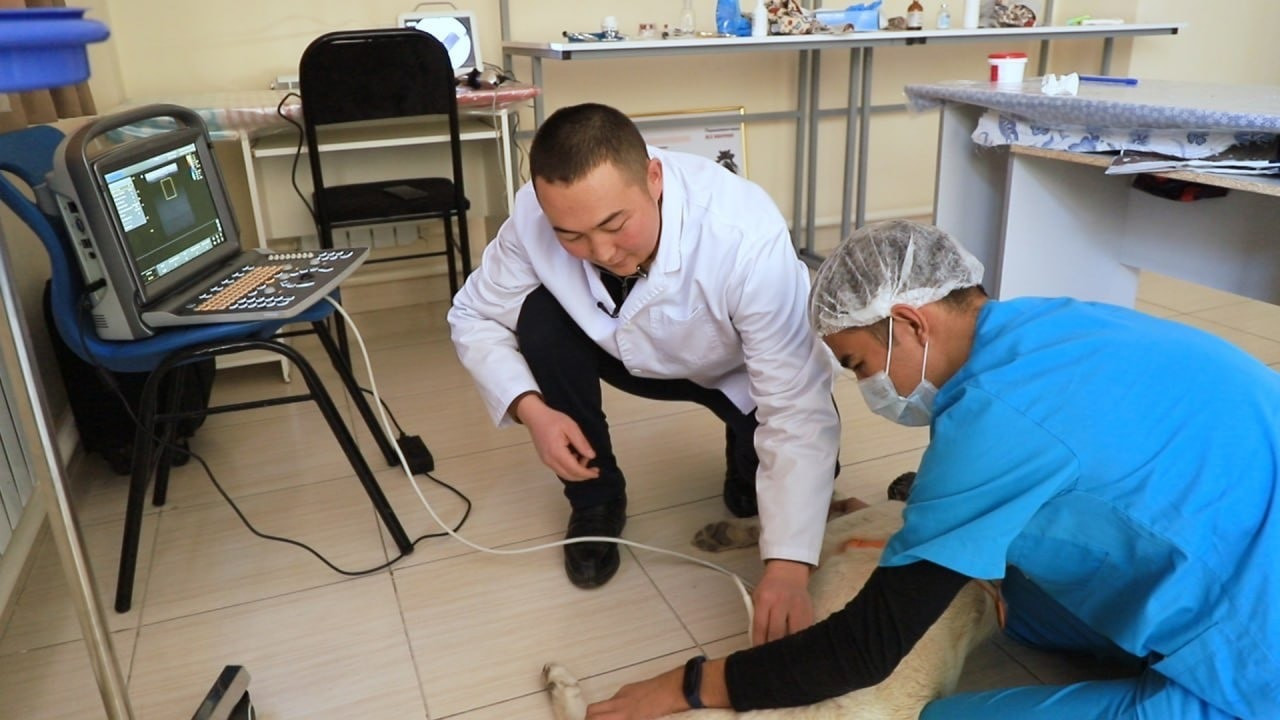
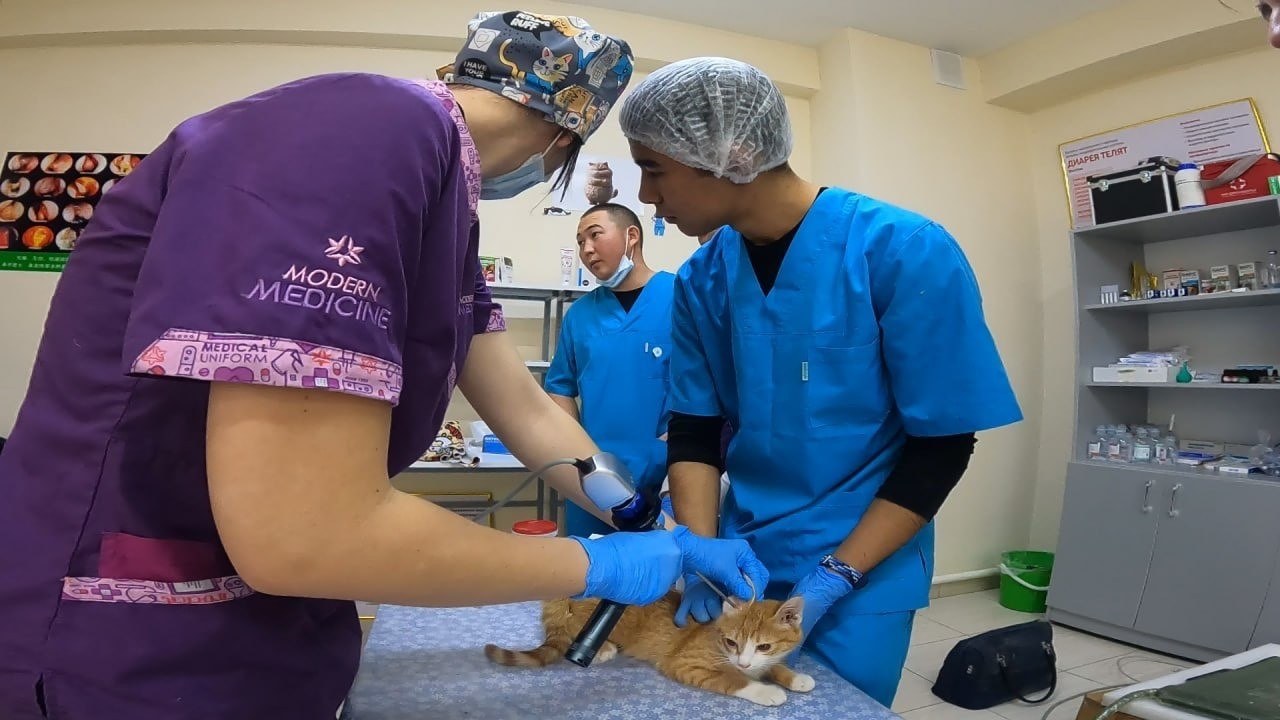
The clinic provides nearly all types of veterinary services. These include ultrasound diagnostics, X-ray examinations, surgical operations, and laboratory tests. In addition to residents of Osh, people from Batken and Jalal-Abad also seek treatment at the clinic, as it is the only fully equipped veterinary clinic in the southern region of Kyrgyzstan.
“Every day, between two and ten patients come to us with various conditions, ranging from common colds to infectious diseases, surgical cases, and emergency operations. Vaccinations are also carried out regularly. With the funds received last year, we purchased a modern endoscopic device, which is used to diagnose internal diseases of the ears and nasal cavities of dogs and cats. This device has become a great help in our work. We are continuously supplying the clinic with medicines and plan to open a veterinary pharmacy in the near future,” says Bakyt Kadyrov, Head of the Veterinary Clinic of Osh State University.
The clinic receives dozens of phone calls daily, and specialists also provide consultations online. During our visit to the clinic, veterinarian Adilet Asilbek uulu visited a resident of the village of Kashkar-Kyshtak. Sheep of the Arashan breed in that area had contracted a disease known locally as Ailanbash.


Adilet Asilbek uulu is an experienced specialist in performing surgical operations on the brains of animals. In this particular case, the planned surgery was postponed for one week because the brain was not ready for the operation following examination. Veterinarian Adilet Asilbek uulu explains: “We call this disease coenurosis. In Kyrgyz, it is known as ailanbash. We perform operations on sheep affected by this disease. Coenurosis is transmitted by dogs and cats. Every day, four to five people contact us regarding this condition.”
Scientific research is also carried out at the veterinary center. One year ago, Professor Abdygany Abdrasulov of Osh State University studied and patented the Ala-Too sheep breed, a new breed developed for meat and fat production. According to Doctor of Biological Sciences and Professor Abdygany Abdrasulov, the distinctive feature of the Ala-Too sheep breed is that it does not require special feed and adapts well to both mountainous areas and pasture conditions.
“Our farmers who raise the Ala-Too breed usually keep between 200 and 1,000 sheep, whereas they cannot keep more than 100 Arashan sheep. Although Arashan sheep are more fertile than Ala-Too sheep, from a professional standpoint, I would say that Ala-Too sheep are more resilient. By comparison, Ala-Too sheep are able to graze in mountainous areas even during winter,” the professor notes.
Currently, 274 students are enrolled in the Department of Veterinary Medicine and Biotechnology. Alongside their academic studies, they work at the clinic and gain practical experience. In the future, the department aims to create favorable conditions for the training of highly qualified veterinary specialists in Kyrgyzstan.
Photogallery

Main Campus of OshSU, 331 Alymbek datka Street, Osh City, Kyrgyzstan. General Division: +996 3222 7-07-12, fax: +996 3222 7-09-15, edu@oshsu.kg
OshSU Admissions Committee: +996 3222 7-08-18, priem@oshsu.kgColleges
- International Education Programs
- Medical College
- Finance and Law
- Uzgen International Medicine
- STEM Innovation
- Industrial and Pedagogical
- College of Agriculture
- Construction College
Schools
- "Arashan" Humanitarian School
- Institute of Oriental Studies
- Institute of Mathematics, Physics, Engineering and Information Technologies
- Institute of Economy, Business and Management
- Institute of Philology and Intercultural Communication
- Institute of History and Law
- Institute of Pedagogy, Art and Journalism
- Institute of Natural Sciences, Physical Education, Tourism and Agrarian Technologies
- Institute of Nanotechnology and Artificial Intelligence
Lyceums and gymnasiums
Offices
- Administrative- household supporting office
- Business Park at Osh State University
- International Relations Department
- Department of Academic Affairs and Strategic Planning for Educational Policy Development
Centers
- Cultural and Aesthetic Center named after R. Adikadyrov
- Foundation of R.Abdykadyrov
- Public Relations Center
- Internship and Career Center
- OshSU Center for Qualification Improvement
- Next Generation Hub Center
- Congress Resort OshSu Center
- Natural Resources Center
- Mountain Ecosystem Protection and Green Innovations Consulting Center
- Center for Scientific Research and Innovation


