
Main
News
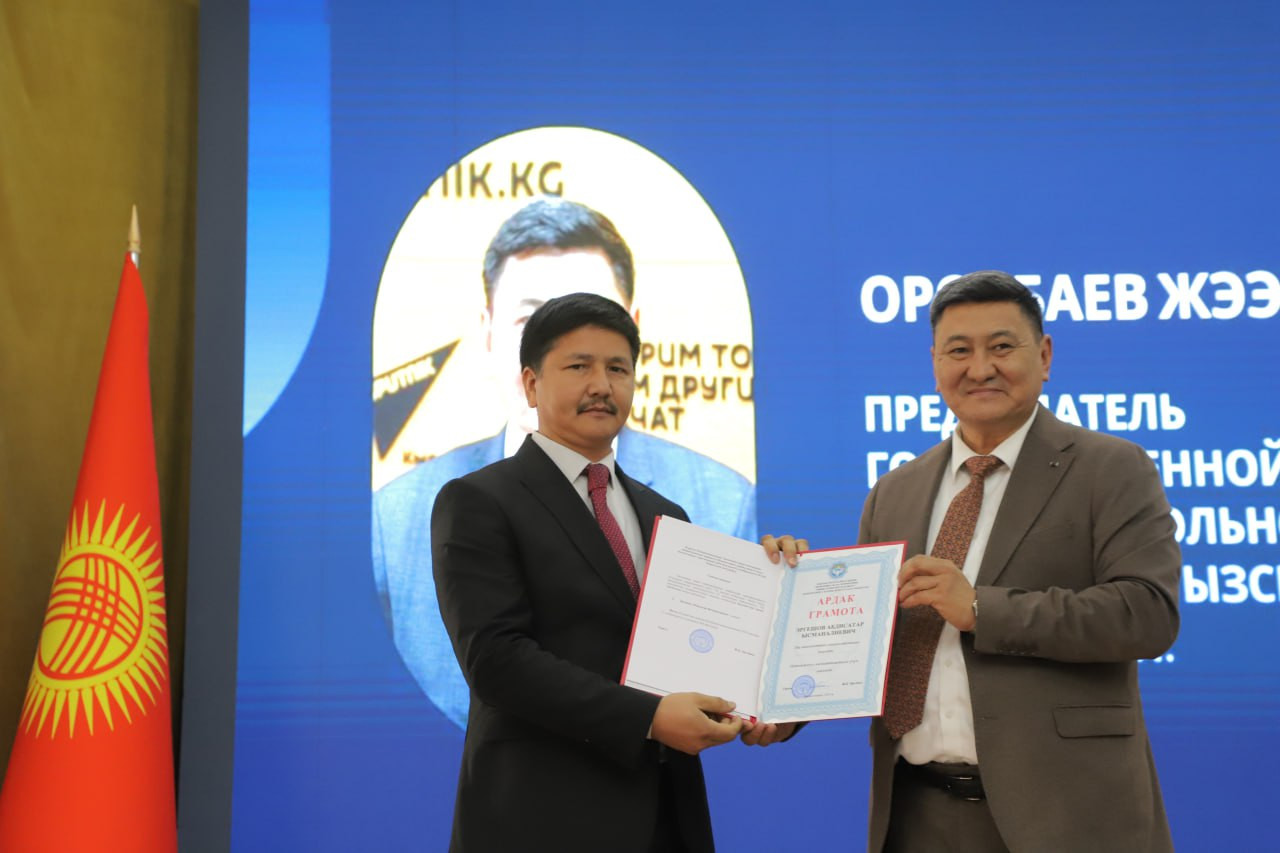
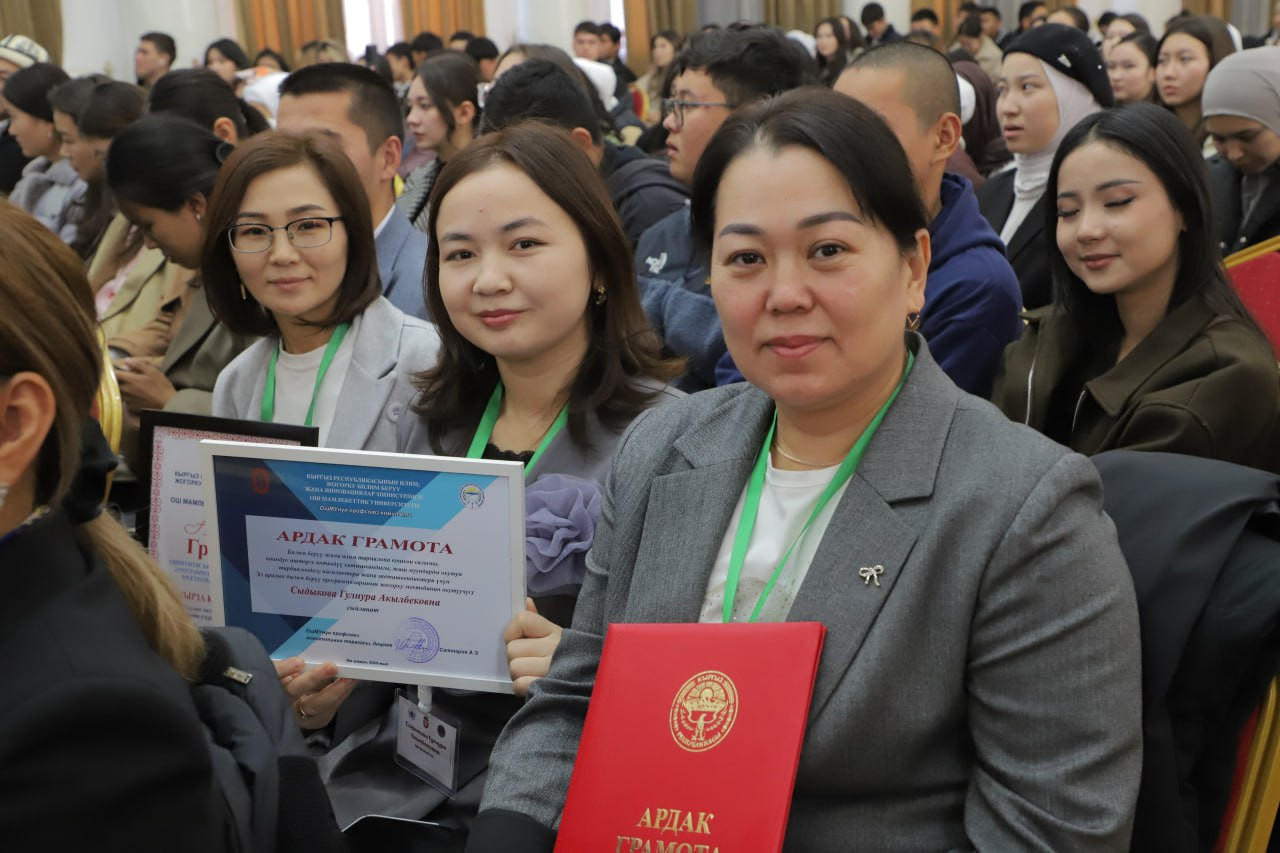
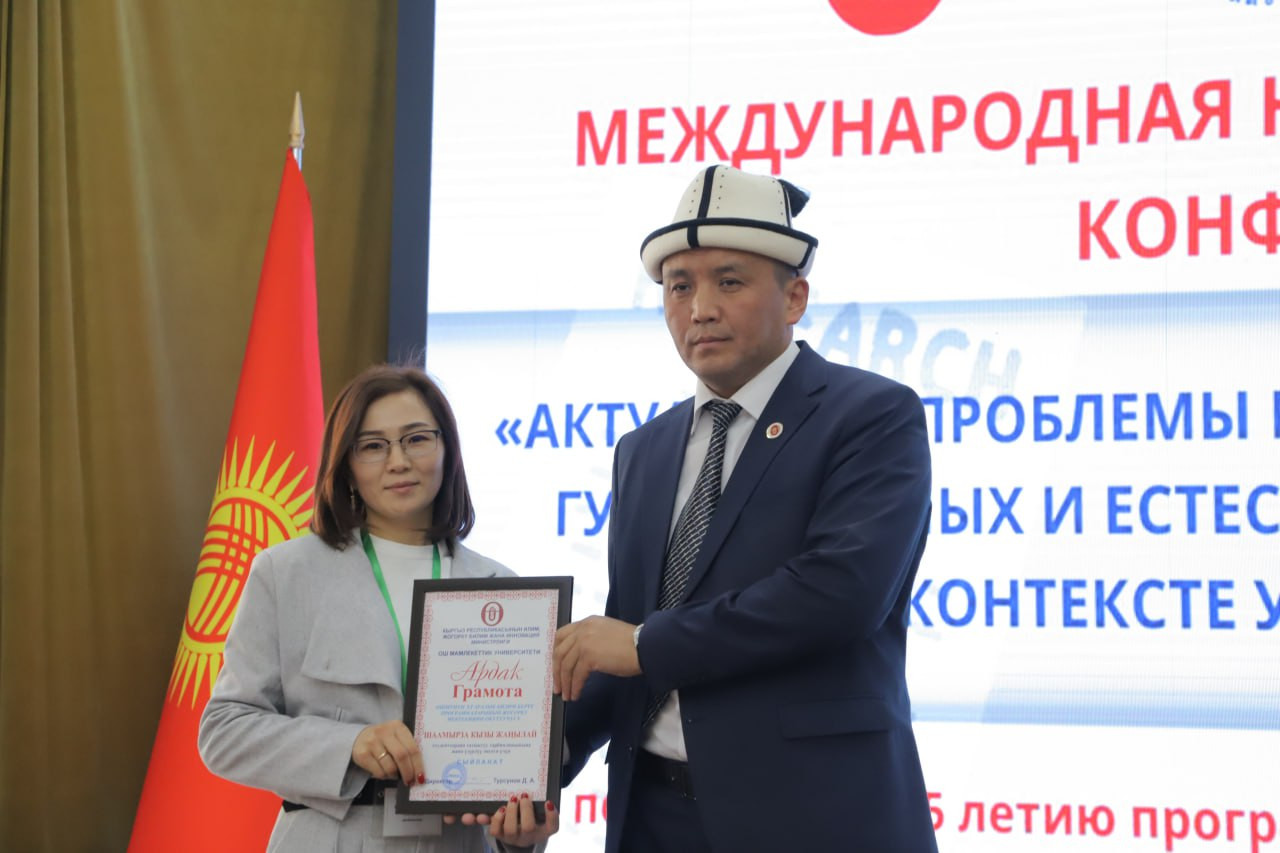
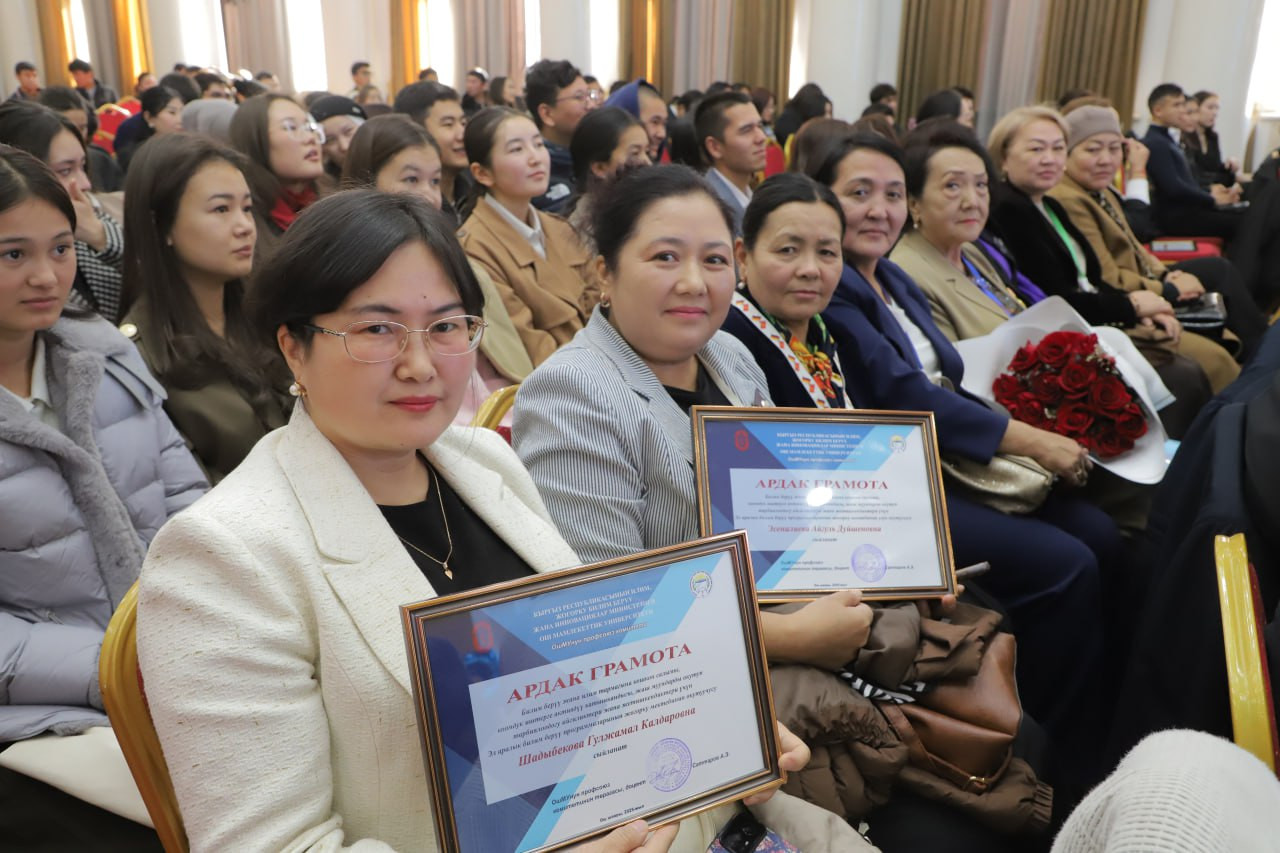
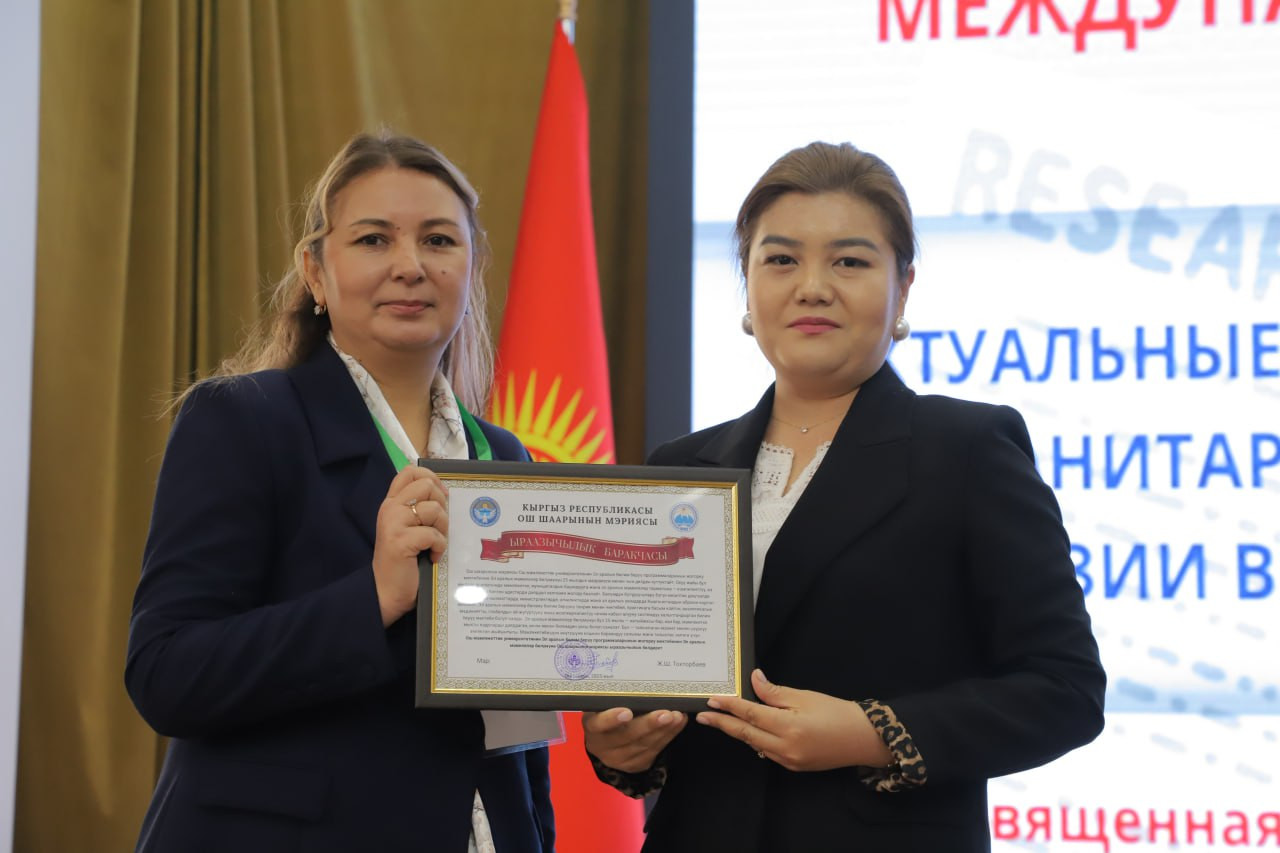
Osh State University Celebrates the 25th Anniversary of the “International Relations” Program
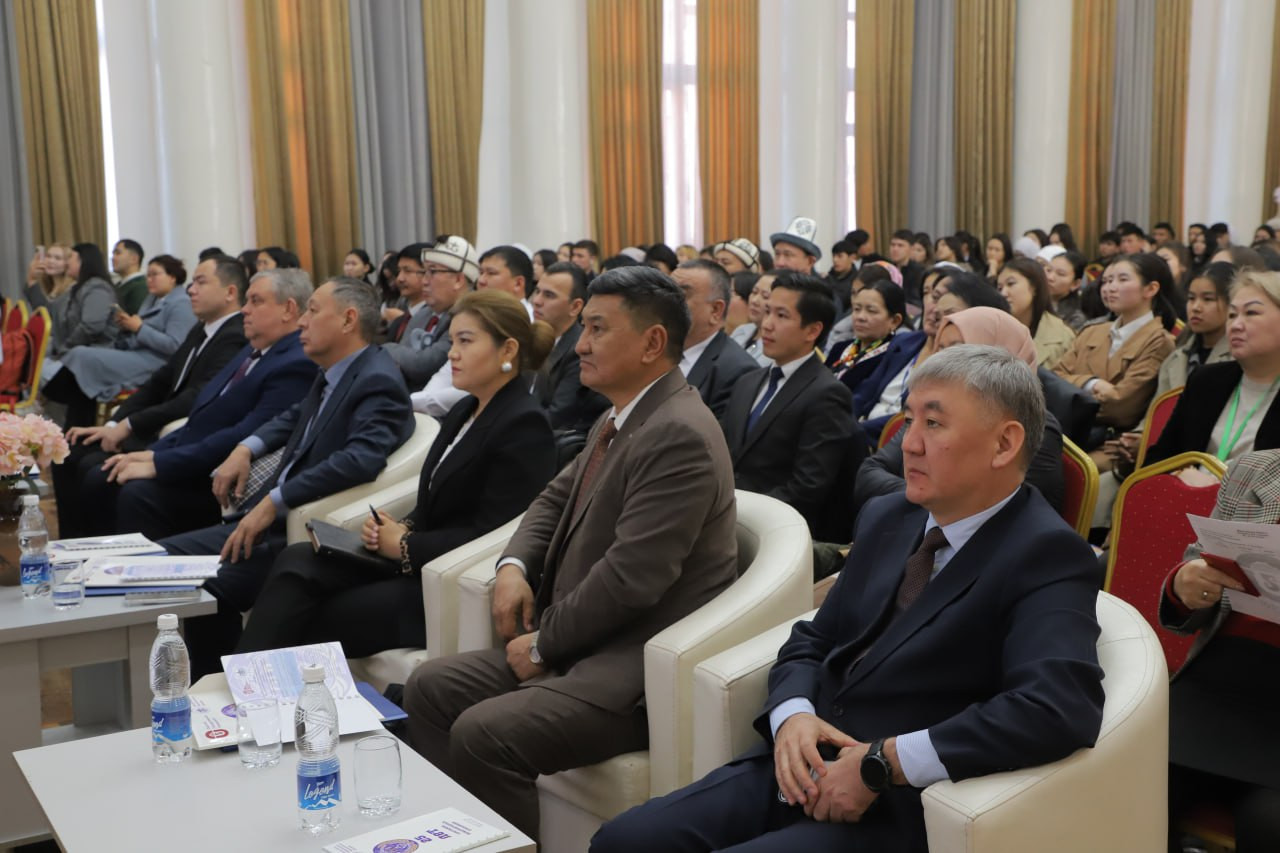
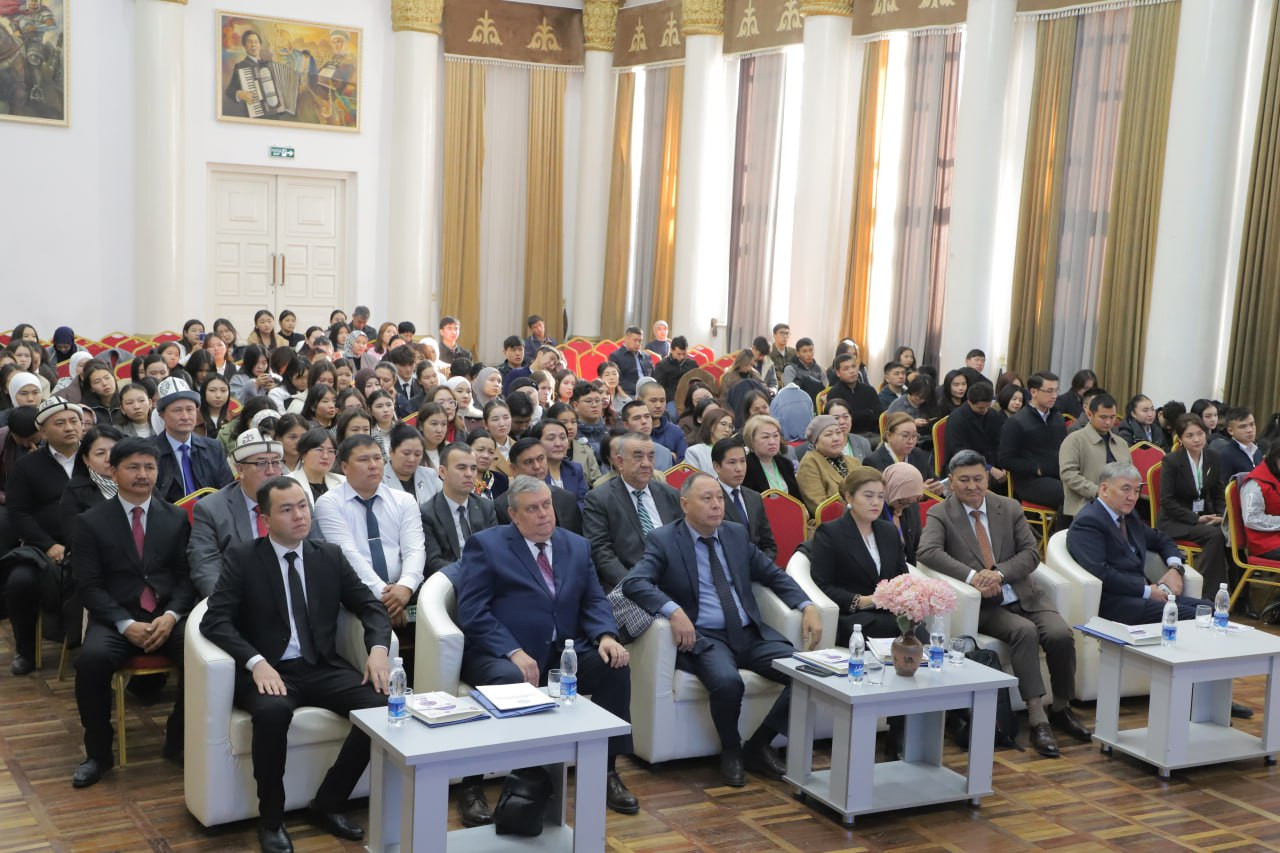
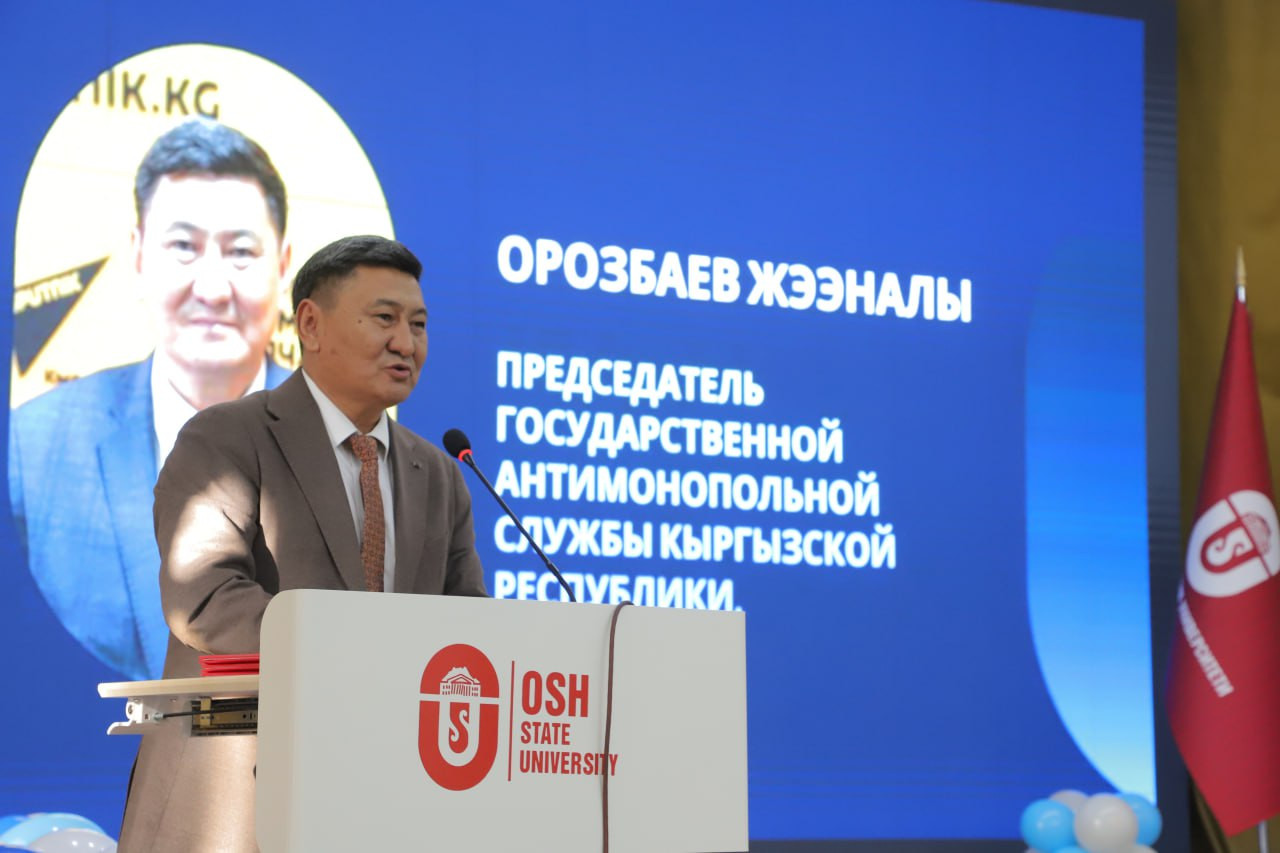
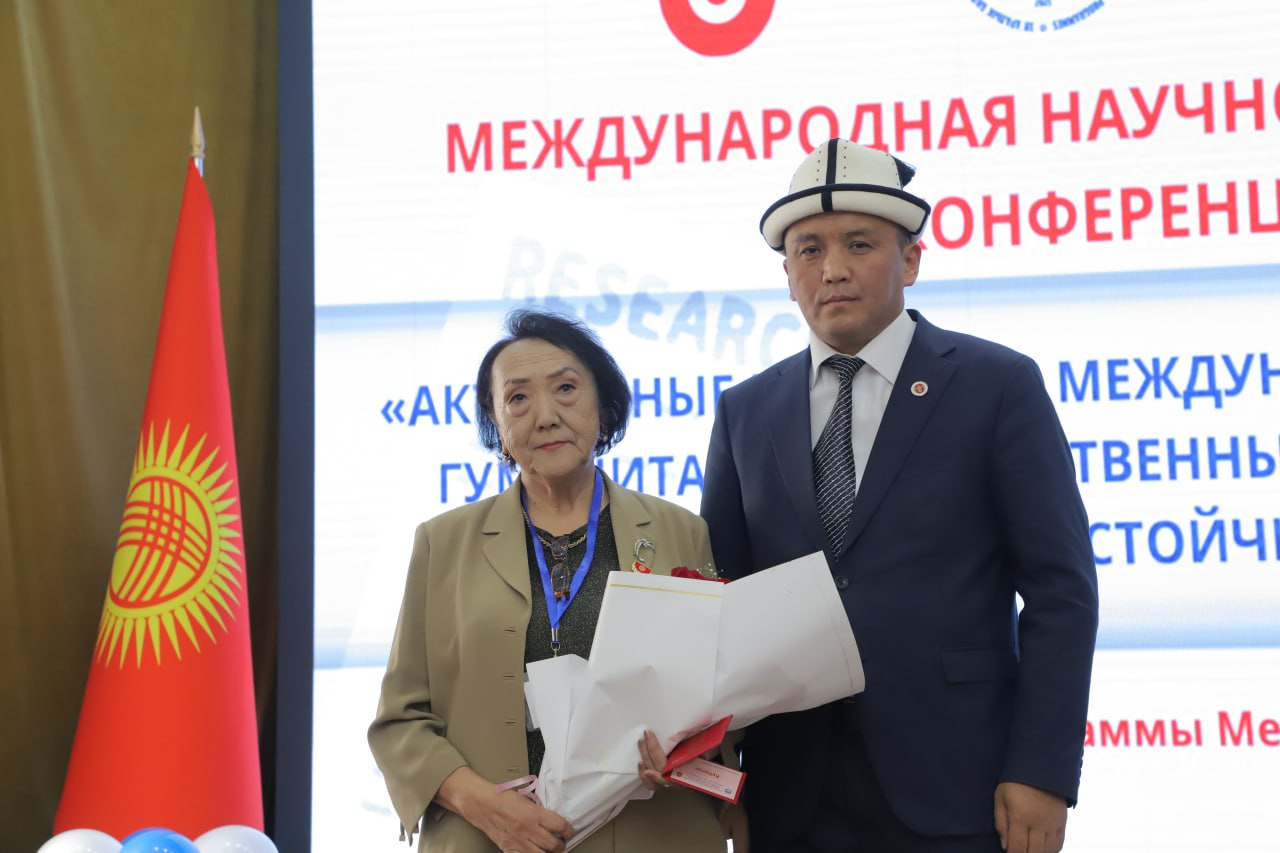
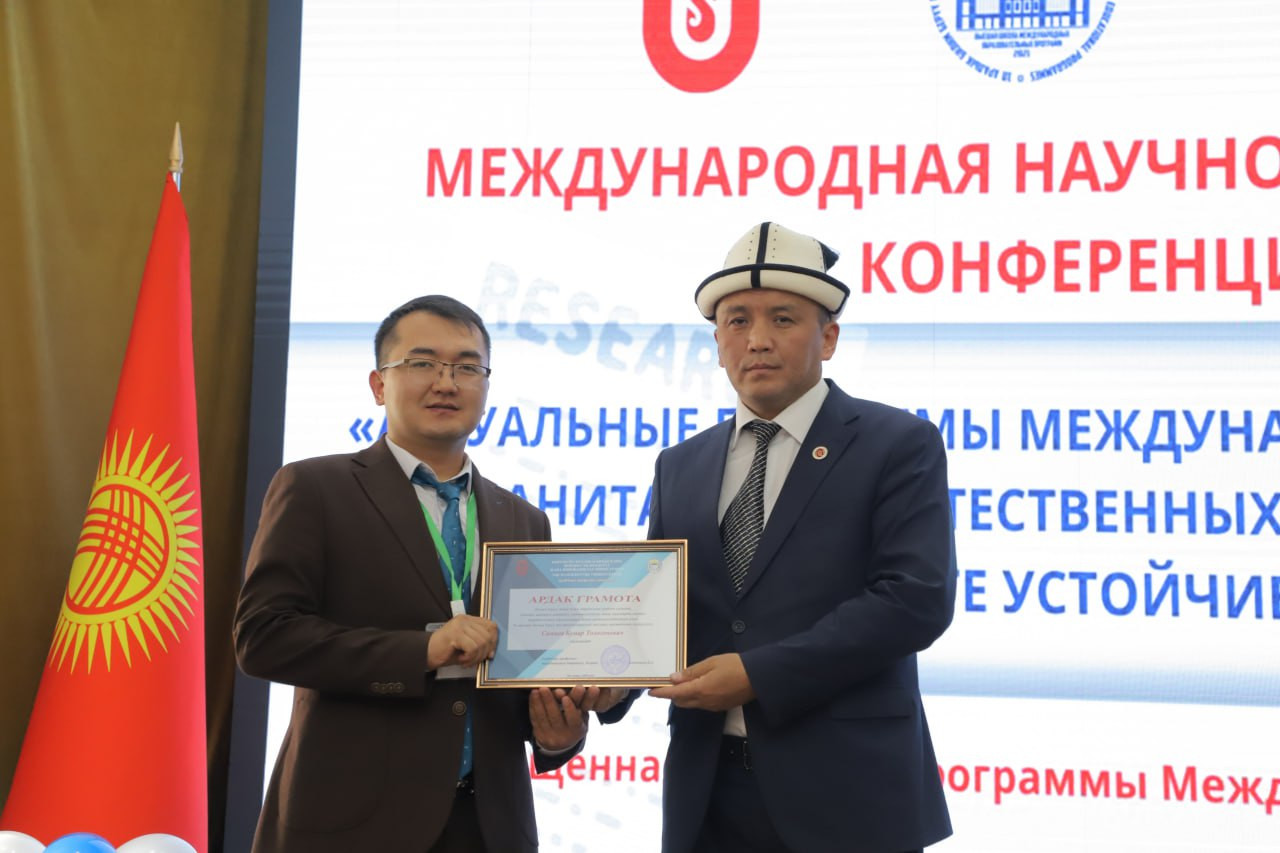
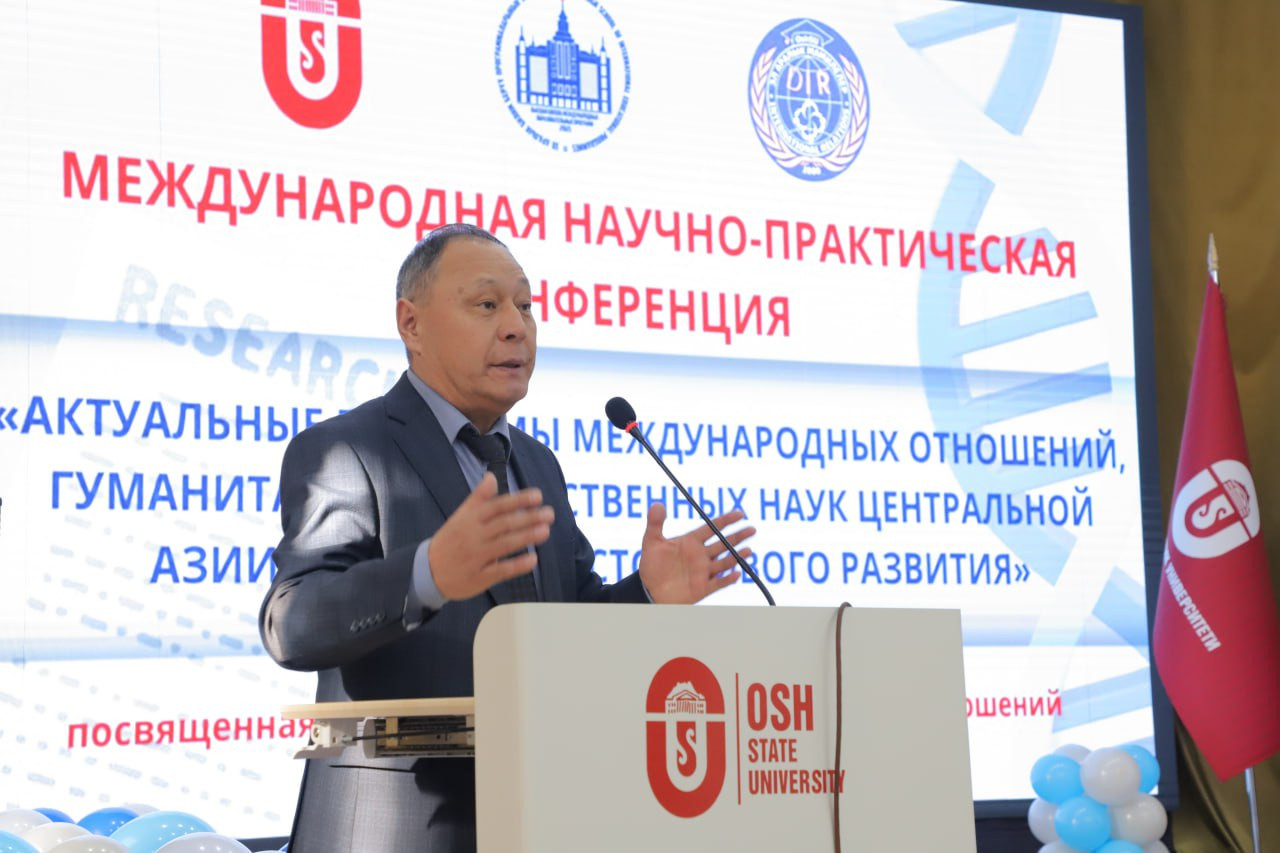
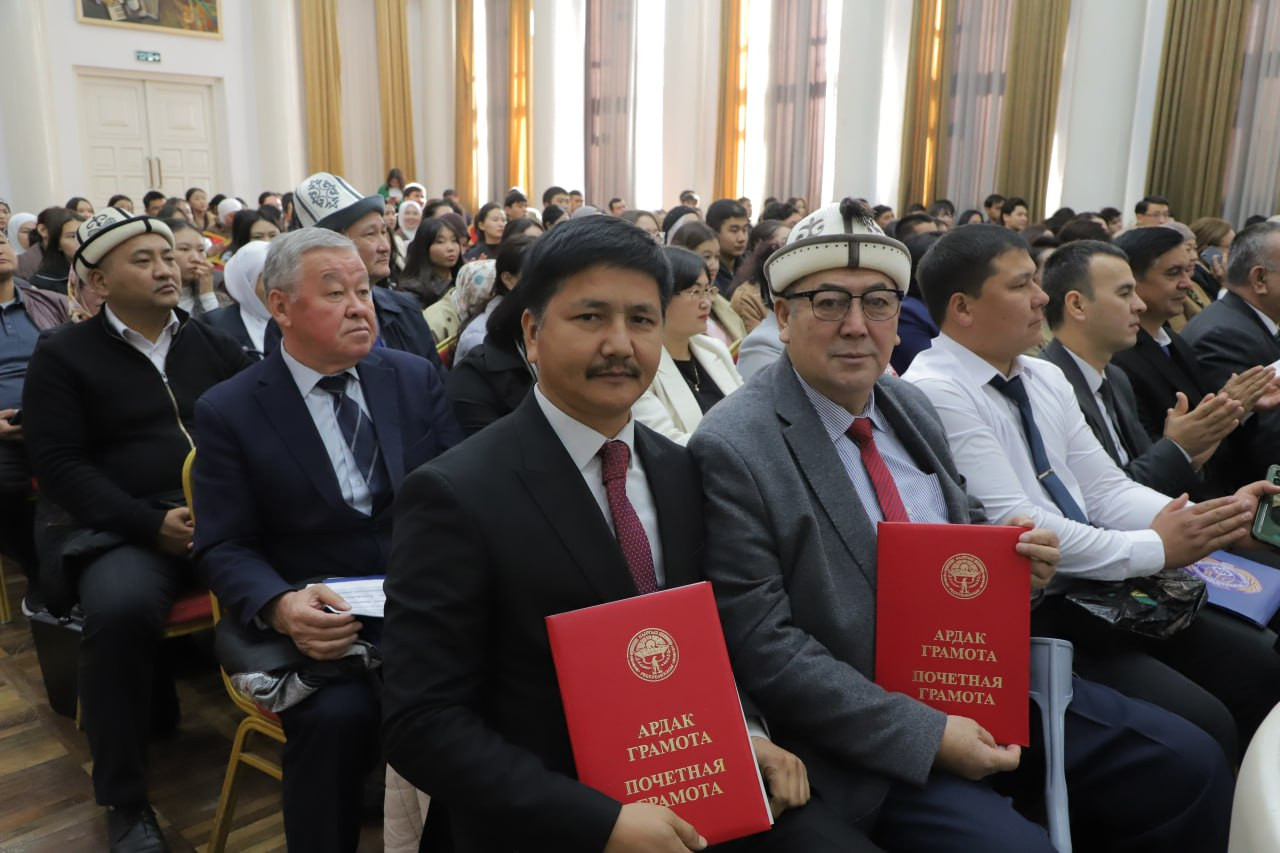
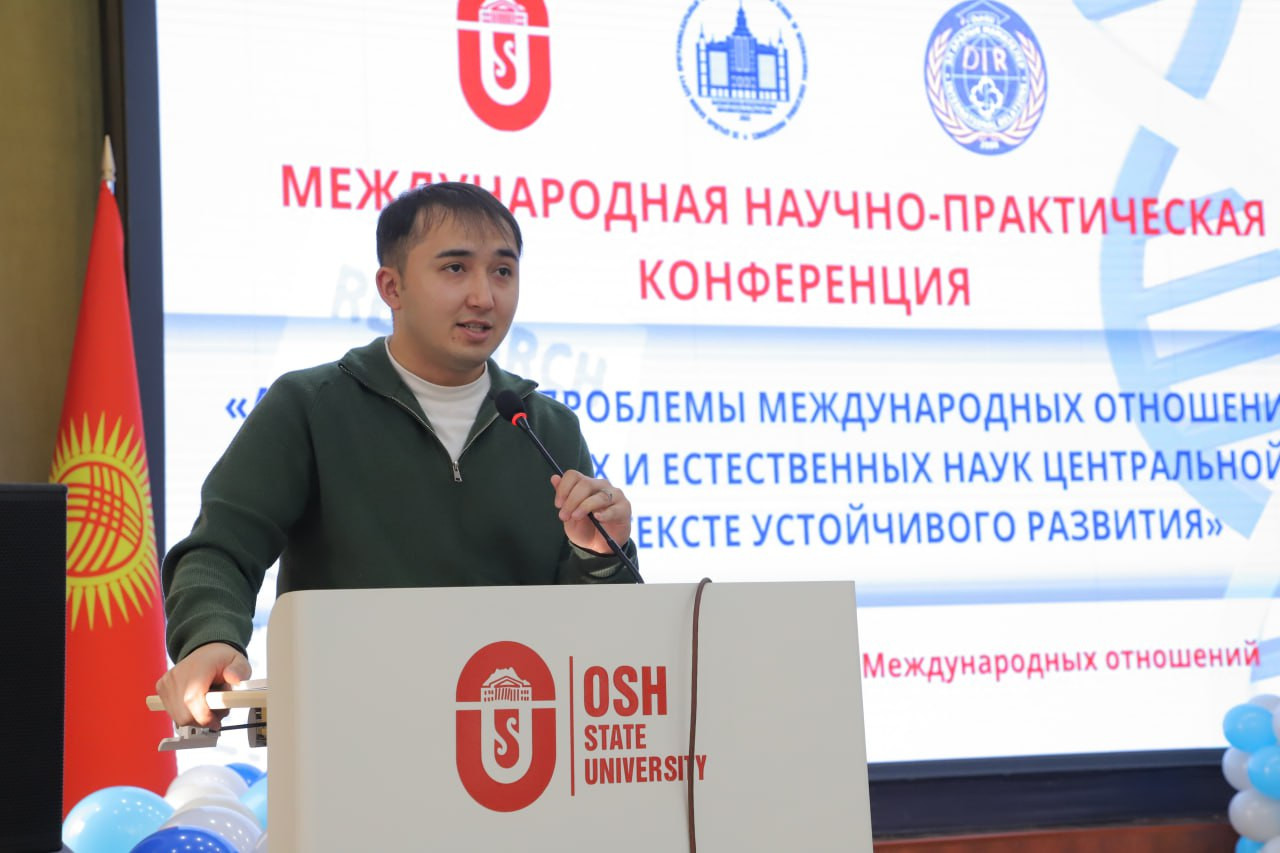
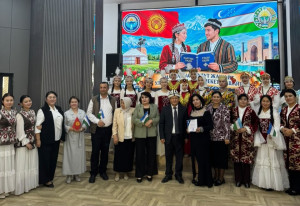
Today, November 12, Osh State University is hosting a scientific and practical conference titled “Current Issues of International Relations, Humanities, and Natural Sciences in Central Asia in the Context of Sustainable Development.” The event is dedicated to the 25th anniversary of the establishment of the International Relations Program at the Higher School of International Educational Programs.
The conference brings together the faculty of Osh State University, led by Rector Kudaiberdi Kozhobekov, as well as representatives of the diplomatic corps, international organizations, and scholars from Russia and Turkey.
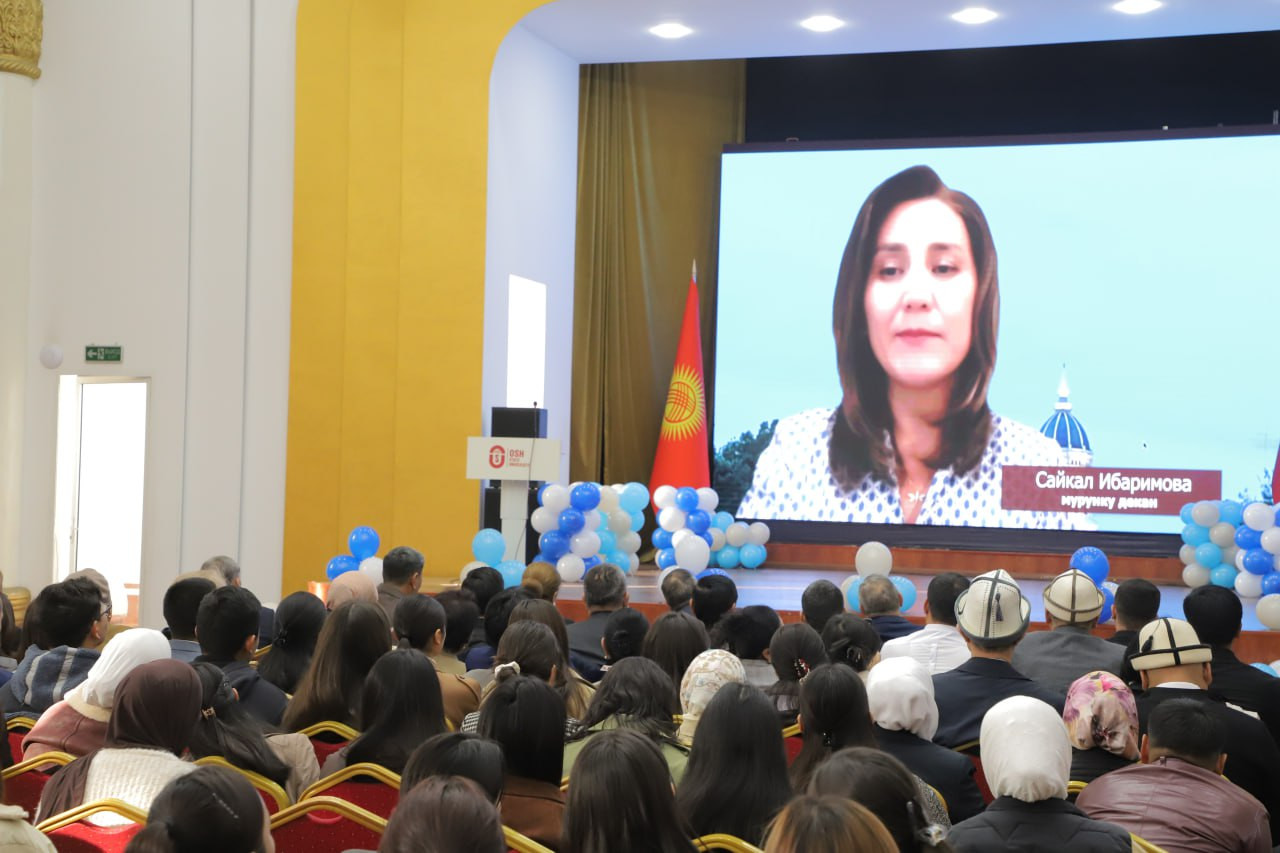
As part of the event, a video titled “25 Years of Success” was presented, featuring congratulations and testimonials from alumni and faculty members who have studied and worked within the International Relations Program.
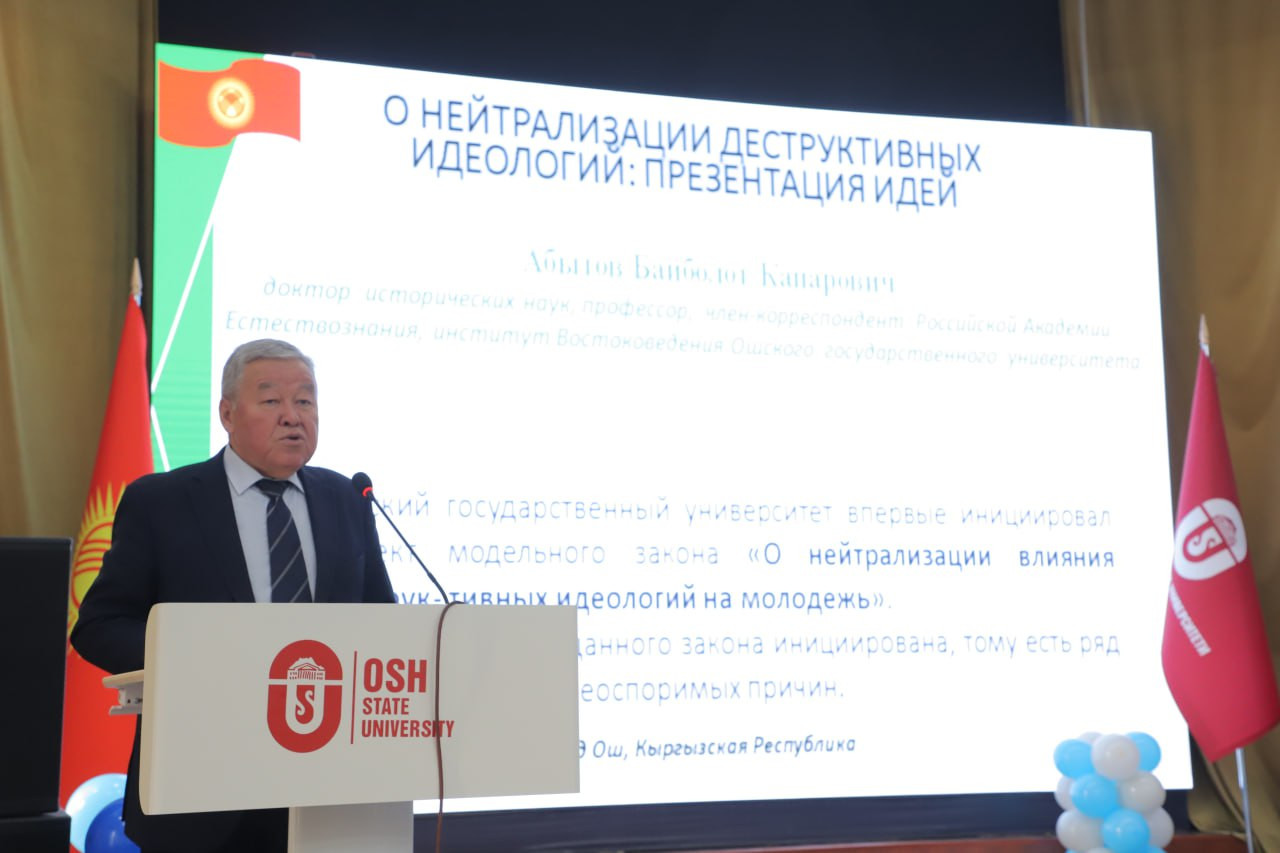
During the plenary session, Professor Kanyshai Nurdinova delivered a presentation titled “25 Years of the International Relations Program,” and Professor Baibolot Abytov presented a paper on “The Problem of Neutralizing Destructive Ideologies.”
A scholar from Kırşehir Ahi Evran University (Turkey), Pala Burulkan Temirkul kyzy, gave a talk on “The European Union’s Policy Toward Central Asian Countries and Its Impact on Turkey and the Organization of Turkic States.”
Additionally, Vyacheslav Kocharyan, an analyst from the Secretariat of the CSTO Parliamentary Assembly, participated online with a presentation on “Kyrgyzstan: New Aspects of Geopolitics and Science.”
“The International Relations Program was launched in 2000 and currently operates within the Higher School of International Educational Programs. At present, 378 students are enrolled across two bachelor’s and three master’s programs. Moreover, dual-degree master’s programs are implemented in cooperation with the Peoples’ Friendship University of Russia (RUDN University), Tomsk State University, and Moscow State University,” said Nazgul Radzhapova, Head of the International Relations Department.
In the afternoon, section sessions will feature presentations on international relations, security, economics, sustainable development, as well as humanitarian, social, and natural sciences.
Photogallery

Main Campus of OshSU, 331 Alymbek datka Street, Osh City, Kyrgyzstan. General Division: +996 3222 7-07-12, fax: +996 3222 7-09-15, edu@oshsu.kg
OshSU Admissions Committee: +996 3222 7-08-18, priem@oshsu.kgColleges
- International Education Programs
- Medical College
- Finance and Law
- Uzgen International Medicine
- STEM Innovation
- Industrial and Pedagogical
- College of Agriculture
- Construction College
Schools
- "Arashan" Humanitarian School
- Institute of Oriental Studies
- Institute of Mathematics, Physics, Engineering and Information Technologies
- Institute of Economy, Business and Management
- Institute of Philology and Intercultural Communication
- Institute of History and Law
- Institute of Pedagogy, Art and Journalism
- Institute of Natural Sciences, Physical Education, Tourism and Agrarian Technologies
- Institute of Nanotechnology and Artificial Intelligence
Lyceums and gymnasiums
Offices
- Administrative- household supporting office
- Business Park at Osh State University
- International Relations Department
- Department of Academic Affairs and Strategic Planning for Educational Policy Development
Centers
- Cultural and Aesthetic Center named after R. Adikadyrov
- Foundation of R.Abdykadyrov
- Public Relations Center
- Internship and Career Center
- OshSU Center for Qualification Improvement
- Next Generation Hub Center
- Congress Resort OshSu Center
- Natural Resources Center
- Mountain Ecosystem Protection and Green Innovations Consulting Center
- Center for Scientific Research and Innovation