

Main
News
Conference on Kyrgyz Kara-Baiyr Horses Held
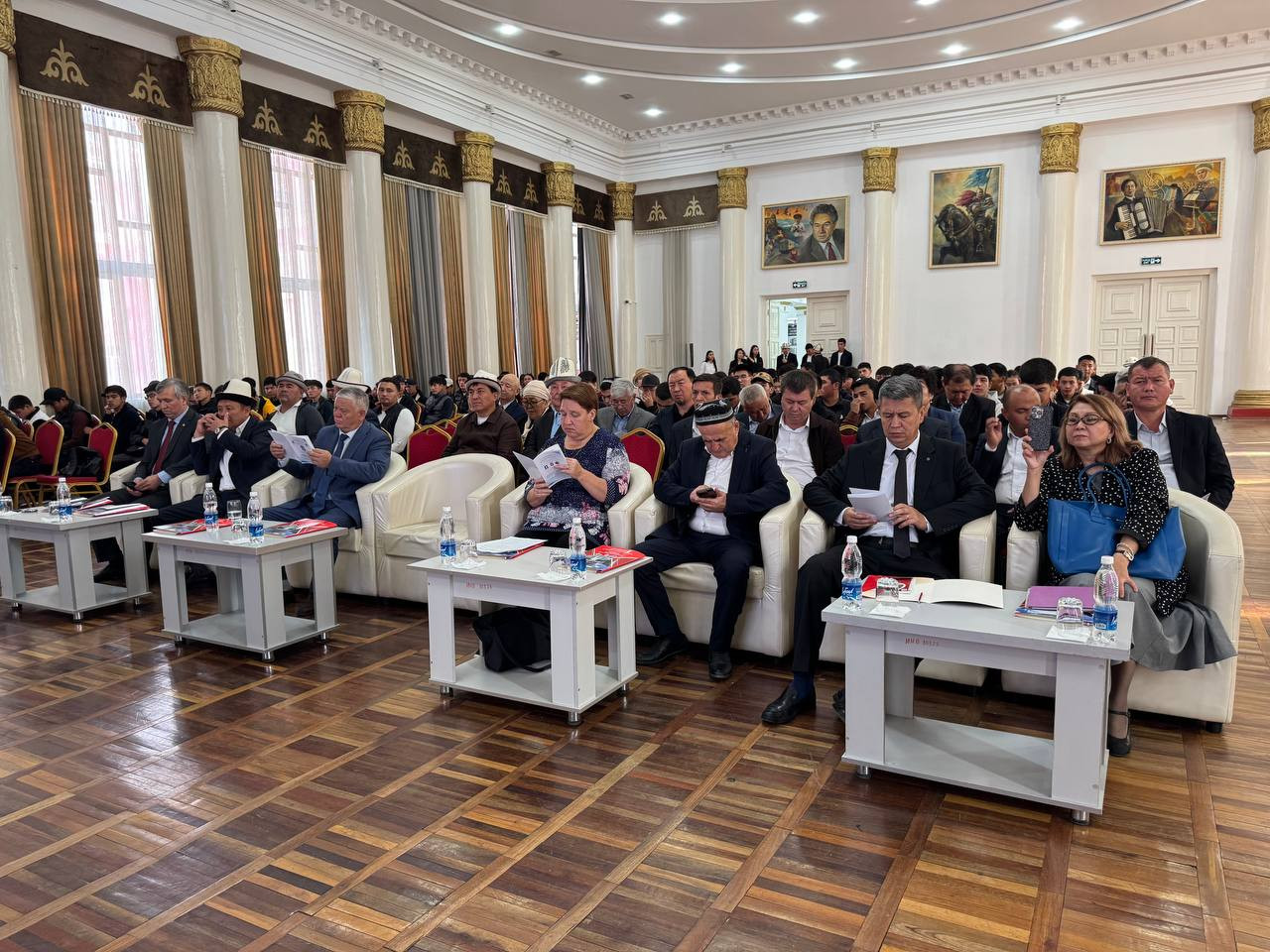
On October 15, Osh State University hosted the first International Scientific and Practical Conference titled “The Resilience and Adaptive Potential of Kyrgyz Kara-Baiyr Horses under Climate Change,” dedicated to the memory of Academician Ilyas Botbaev.
The event brought together representatives of government agencies, research institutions, higher education institutions, and horse-breeding specialists.
During the plenary session, Professor Abdugani Abdurasulov, director of the Academician Botbaev Institute of Agricultural Research and Technology at OshSU, spoke about the scientist’s research legacy and the distinctive characteristics of Kara-Baiyr horses.
Scientists from Russia also delivered presentations. Anna Nikolaeva, Candidate of Agricultural Sciences, discussed the conservation of Don horses. Natalia Panova, Candidate of Veterinary Sciences, gave an online presentation on treating soft tissue injuries in horses using an extract derived from deer antlers.
The conference also addressed the preservation of the genetic characteristics of Kara-Byyr horses, their adaptation to climate change, and the development of horse breeding.
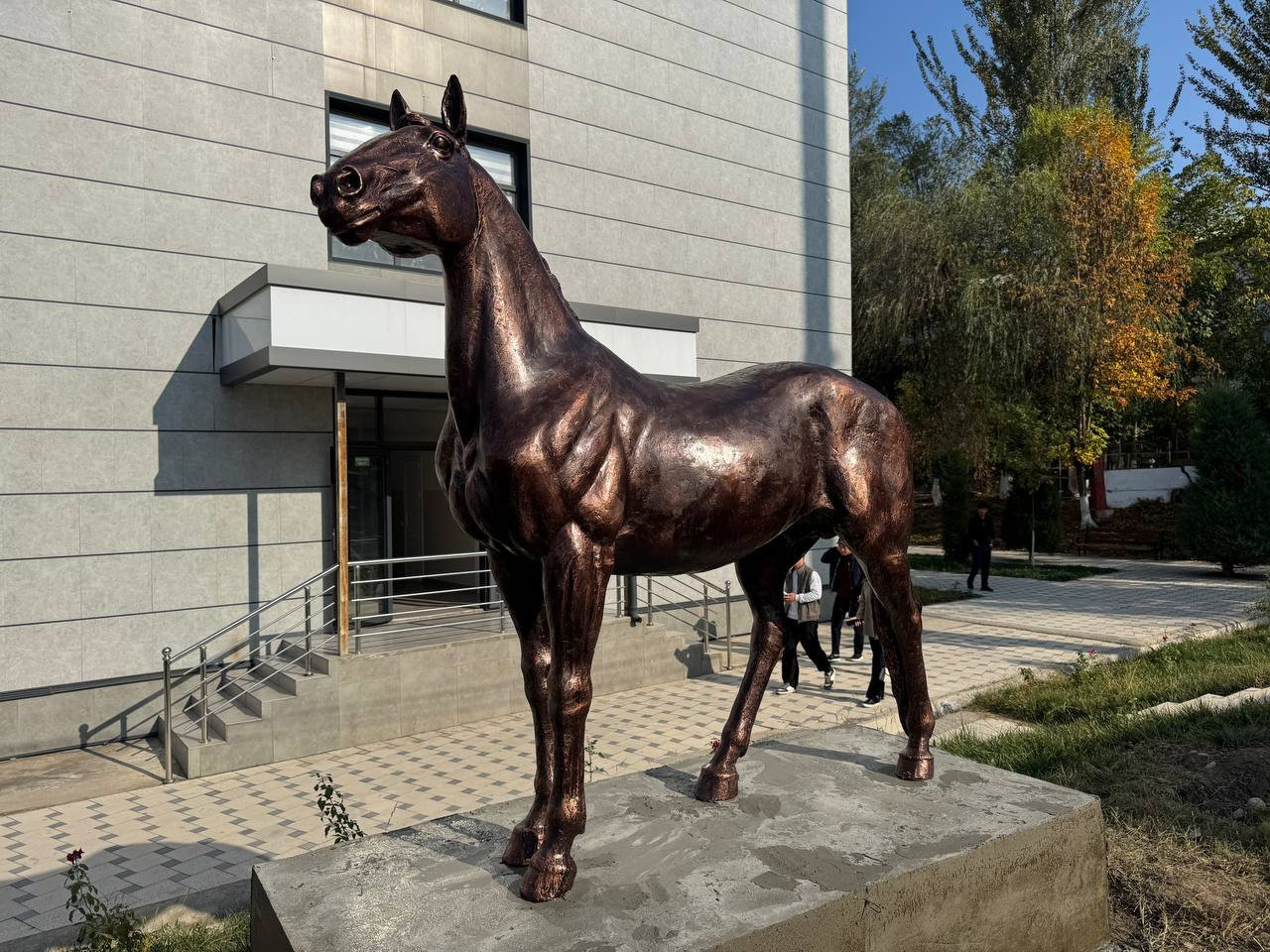
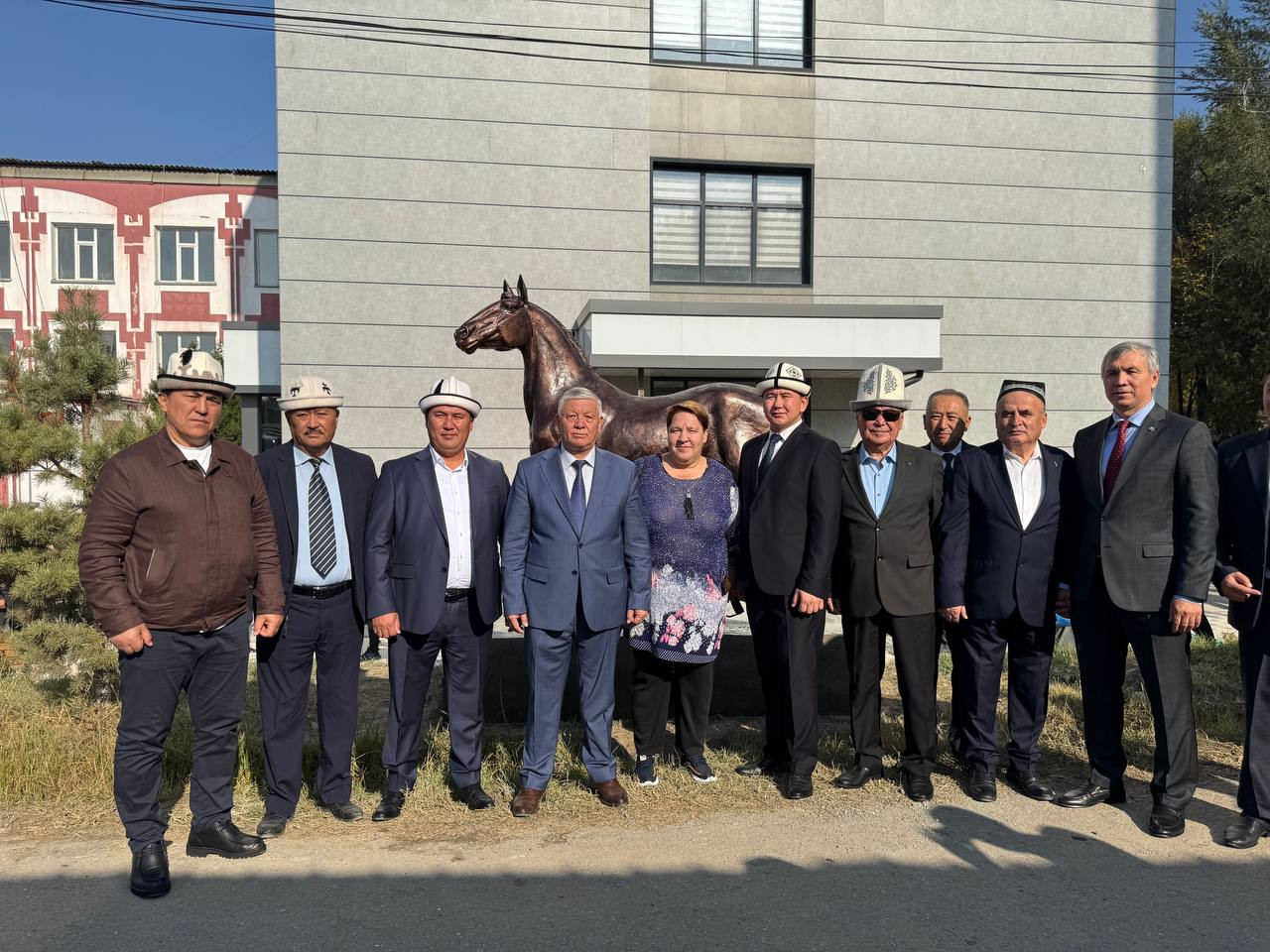
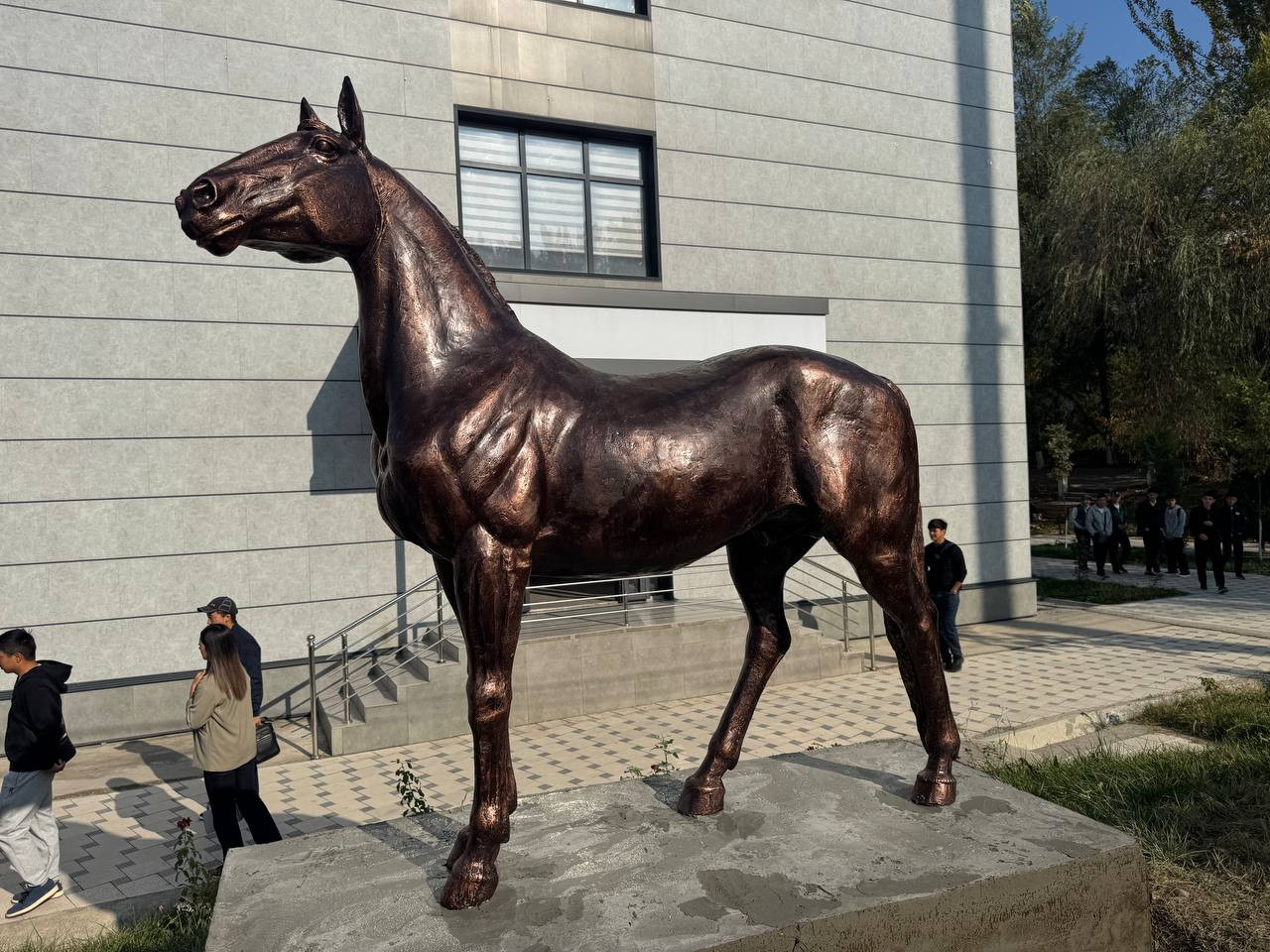
As part of the conference, a monument dedicated to the Kara-Baiyr horse was unveiled on the grounds of the university’s Veterinary Teaching and Production Clinic. This breed is distinguished by its strong build, endurance, adaptation to mountainous terrain, and ability to travel long distances. It holds a special place in the history, nomadic culture, and traditions of the Kyrgyz people.
According to scientists, preserving and improving this breed is important not only for the development of livestock farming but also for safeguarding the country’s genetic resources and cultural heritage for future generations.
Ilyas Botbaev made a significant contribution to the development of livestock farming in Kyrgyzstan, the improvement of animal breeds, and the training of scientific personnel. He contributed to the development of the Alay fat-tailed sheep breed, the improvement of down-producing and wool-producing goat breeds, and the enhancement of fine-wool sheep. He authored more than 300 scientific publications, including 20 monographs, and trained 15 researchers.
Photogallery



Main Campus of OshSU, 331 Alymbek datka Street, Osh City, Kyrgyzstan. General Division: +996 3222 7-07-12, fax: +996 3222 7-09-15, edu@oshsu.kg
OshSU Admissions Committee: +996 3222 7-08-18, priem@oshsu.kgColleges
- International Education Programs
- Medical College
- Finance and Law
- Uzgen International Medicine
- STEM Innovation
- Industrial and Pedagogical
- College of Agriculture
- Construction College
Schools
- "Arashan" Humanitarian School
- Institute of Oriental Studies
- Institute of Mathematics, Physics, Engineering and Information Technologies
- Institute of Economy, Business and Management
- Institute of Philology and Intercultural Communication
- Institute of History and Law
- Institute of Pedagogy, Art and Journalism
- Institute of Natural Sciences, Physical Education, Tourism and Agrarian Technologies
- Institute of Nanotechnology and Artificial Intelligence
Lyceums and gymnasiums
Offices
- Administrative- household supporting office
- Business Park at Osh State University
- International Relations Department
- Department of Academic Affairs and Strategic Planning for Educational Policy Development
Centers
- Cultural and Aesthetic Center named after R. Adikadyrov
- Foundation of R.Abdykadyrov
- Public Relations Center
- Internship and Career Center
- OshSU Center for Qualification Improvement
- Next Generation Hub Center
- Congress Resort OshSu Center
- Natural Resources Center
- Mountain Ecosystem Protection and Green Innovations Consulting Center
- Center for Scientific Research and Innovation